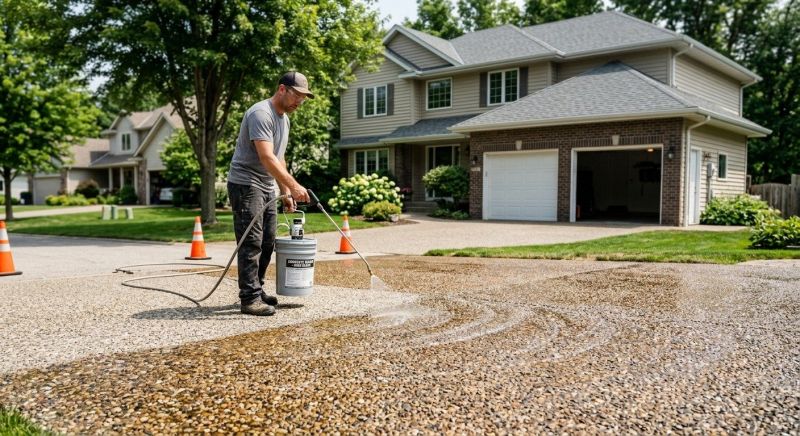
Aggregate Sealing in Seattle, WA
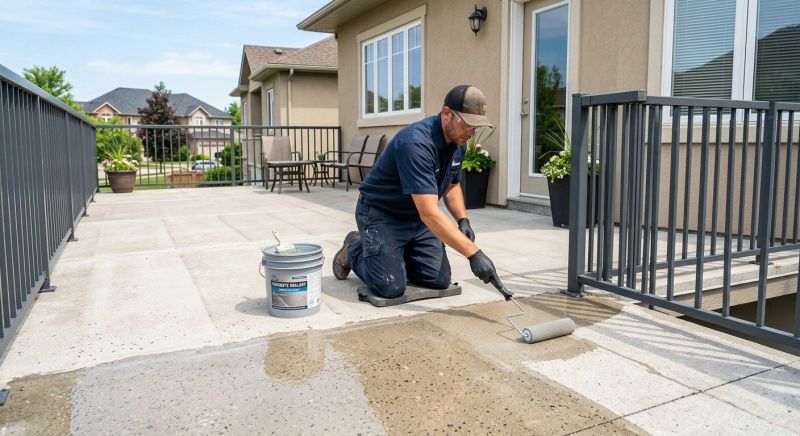
Aggregate sealing services involve applying a protective coating to paved surfaces such as driveways, walkways, patios, and other aggregate or exposed aggregate finishes. This process helps to prevent water penetration, reduce weed growth, and minimize the effects of weathering and staining, ultimately extending the lifespan and appearance of the surface. Property owners often request this service to maintain the durability of their outdoor spaces, improve curb appeal, and protect investments in their hardscape features.
Before requesting aggregate sealing, homeowners typically want to understand the condition of the existing surface, including any cracks or damage that may need addressing beforehand. It’s also important to consider the type of sealant used, as different finishes offer varying levels of gloss, slip resistance, and durability. Property owners should inquire about the appropriate timing for sealing, especially after new installation or repairs, to ensure optimal results and long-lasting protection.
Many property owners in Seattle, WA look into Aggregate Sealing for repairs, replacements, upgrades, and appearance-related improvements.
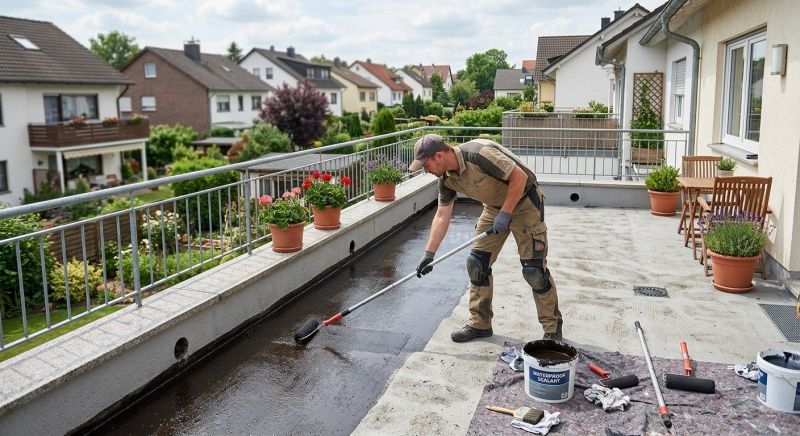
Benefits Of Aggregate Sealing
Sealing aggregate surfaces helps protect against stains, weather damage, and surface deterioration.
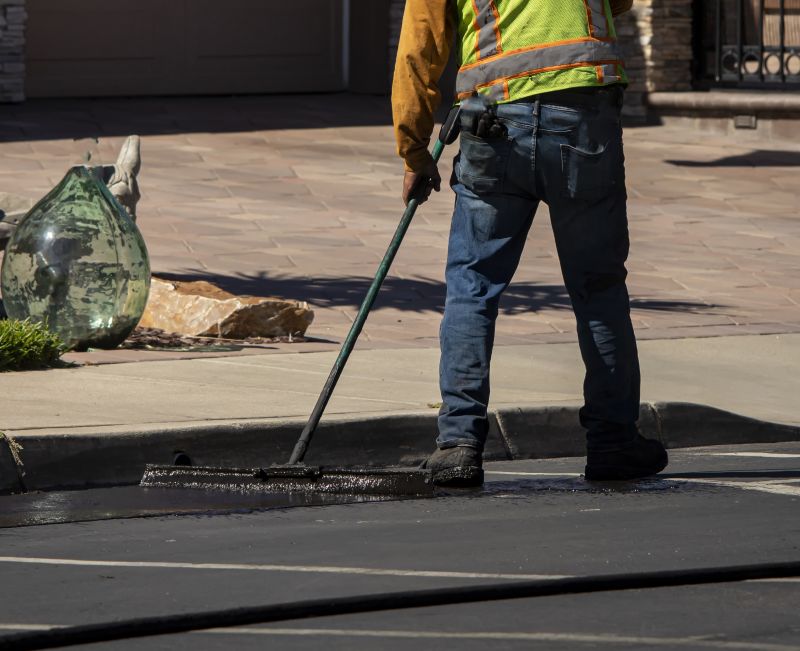
Common Applications
Aggregate sealing is often used on driveways, walkways, patios, and other outdoor surfaces around homes in seattle.
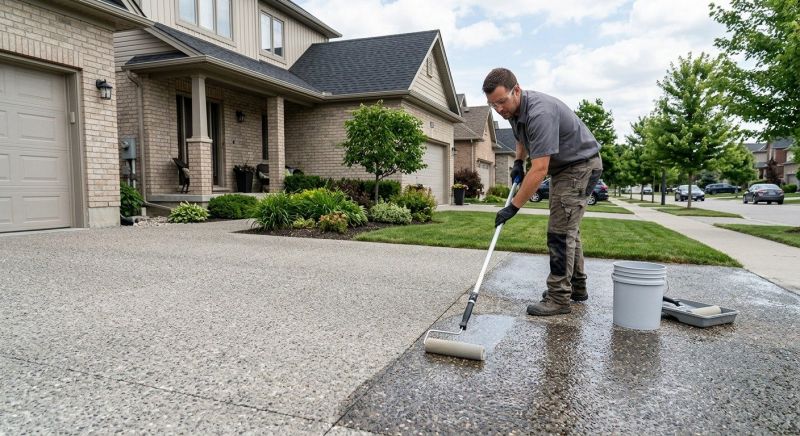
Maintenance And Longevity
Proper sealing can extend the lifespan of aggregate surfaces and reduce the need for repairs over time.
Aggregate Sealing in Seattle, WA
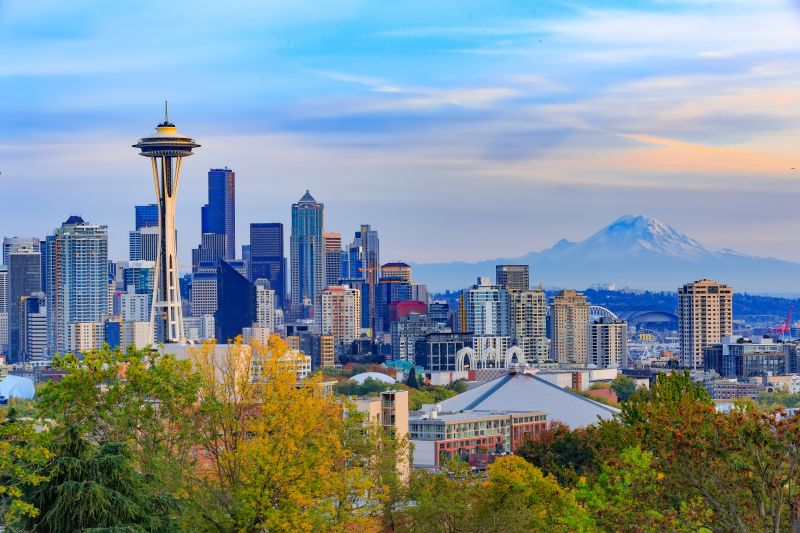
Aggregate sealing services involve applying a protective coating to paved surfaces such as driveways, walkways, patios, and other aggregate or exposed aggregate finishes. This process helps to prevent water penetration, reduce weed growth, and minimize the effects of weathering and staining, ultimately extending the lifespan and appearance of the surface. Property owners often request this service to maintain the durability of their outdoor spaces, improve curb appeal, and protect investments in their hardscape features.
Before requesting aggregate sealing, homeowners typically want to understand the condition of the existing surface, including any cracks or damage that may need addressing beforehand. It’s also important to consider the type of sealant used, as different finishes offer varying levels of gloss, slip resistance, and durability. Property owners should inquire about the appropriate timing for sealing, especially after new installation or repairs, to ensure optimal results and long-lasting protection.
Many property owners in Seattle, WA look into Aggregate Sealing for repairs, replacements, upgrades, and appearance-related improvements.
Common Aggregate Sealing Jobs
Foundation Sealing - seals cracks and gaps to prevent water intrusion and structural damage.
Basement Sealing - applies waterproof coatings to reduce moisture and improve indoor air quality.
Driveway Sealing - protects asphalt surfaces from weather damage and extends lifespan.
Garage Sealing - blocks drafts and moisture entry to improve energy efficiency.
Wall Sealing - prevents water seepage and mold growth in interior and exterior walls.
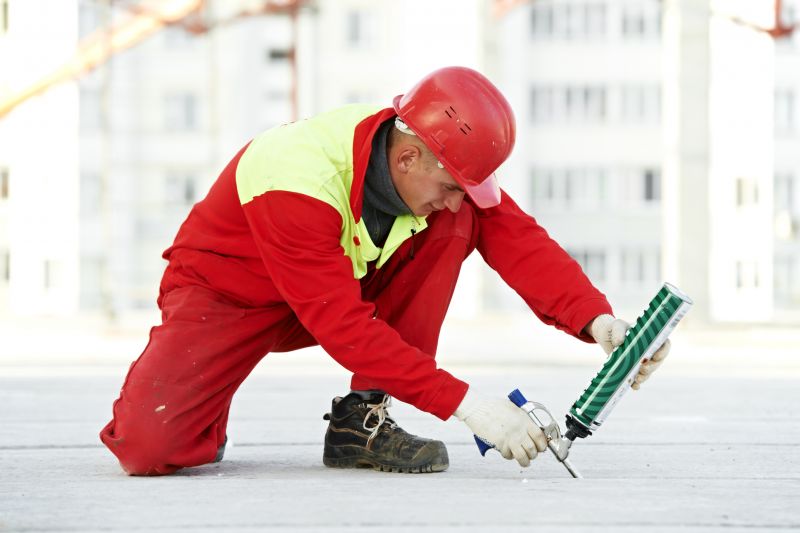
Crack Sealing - fills small openings to maintain the integrity of various surfaces.
Aggregate Sealing Questions
What is aggregate sealing used for? Aggregate sealing helps protect driveway and walkway surfaces from stains, moisture, and wear, extending their lifespan.
Which surfaces benefit from aggregate sealing? Driveways, walkways, and decorative stone surfaces are common projects for aggregate sealing.
How does aggregate sealing improve surface appearance? It enhances color and texture, giving surfaces a cleaner and more uniform look.
Is aggregate sealing a maintenance requirement? Regular sealing helps maintain surface protection and appearance over time.
Request Aggregate Sealing in Seattle, WA
Use the quote form on this page to share the basics of your project and request more information for the type of work you need.